Monday, 11 June 2012

White Oak


White oak bark information
White oak bark - Quercus alba (in the Fagaceae or Oak family) Note: other oaks can be used;

Part used: Bark.

Taste/smell: Astringent.

Tendencies: Drying.

Dosage: Decoction: 1-2 teaspoons per cup of water; or 1:5 dry strength liquid extract: 10-60 drops 1-4 times per day.

Mental picture and specific indications: White oak bark is indicated in subacute and chronic conditions with exhaustion from disease, fevers, night sweats, ulcerations, relaxed and atonic tissues, prolapsed organs and putrid states.

Use: (a) Astringent, (b) Styptic.

White oak bark is used for mucous membrane irritation like gum ulcerations, sore throats, wounds, local inflammations, weeping eczema and leg ulcers. It can be used as a compress for eye inflammations. It is beneficial for passive hemorrhages and venous laxity and congestion like bleeding hemorrhoids and other varicosities. Oak bark is useful in treating the symptoms of diarrhea.

Contraindications: It is contraindicated for external use with extensive skin surface damage. Strong, full baths are contraindicated in cardiac insufficiency stages III and IV, febrile infectious disorders, and weeping eczema over a large area.

Copyright 1999 by Sharol Tilgner, N.D. (ISBN 1-881517-02-0) - all rights reserved.

Thyme


hyme information
Thyme - Thymus vulgaris (in the Lamiaceae or Mint family)

Part used: Leaves and flowers.

Taste/smell: Aromatic.

Tendencies: Warming, drying.

Dosage: Infusion: 1 teaspoon per cup of water; or 1:1.5 fresh + dry strength liquid extract: 10-30 drops 1-4 times per day.

Mental picture and specific indications: Thyme is indicated for spasmodic conditions of the respiratory and urinary tract with infectious symptoms.

Use: (a) Expectorant, (b) Spasmolytic, (c) Bronchodilator, (d) Carminative, (e) Antioxidant, (f) Antibacterial with in vitro activity against Staph aureus, (g) Antifungal, (h) Diuretic, (i) Vermifuge.

Thyme is specific for whooping cough, bronchitis and other respiratory tract conditions. It can be used both internally and externally on the chest. Additionally thyme is beneficial for urinary tract infections.

Contraindications: An overdose of the essential oil can cause abdominal pain and temporary collapse and should not be used internally except under the guidance of a qualified health care practitioner. It is contraindicated in pregnancy due to the emmenagogue effect.

Copyright 1999 by Sharol Tilgner, N.D. (ISBN 1-881517-02-0) - all rights reserved.

Sage


Sage information
Sage - Salvia officinalis (in the Lamiaceae or Mint family)

Part used: Aerial herb in budding stage.

Taste/smell: Pungent, aromatic.

Tendencies: Warming, drying.

Dosage: Infusion: 1 teaspoon per cup of water; or 1:1.4 fresh + dry strength liquid extract: 10-40 drops 1-4 times per day.

Mental picture and specific indications: For people with relaxed and enfeebled circulation with excessive sweating.

Use: (a) Carminative, (b) Astringent, (c) Antibacterial with in vitro activity against Strep pyogenes and Staph aureus , (d) Used for atonic states.

Cold preparations are used to check excessive perspiration from peripheral circulatory atony or relaxation. Sage is used for hot flashes, night sweats, galactorrhea, treating the symptoms of diarrhea and gastric atony with gas and burping. It is also beneficial for mucous membrane irritation, like gum ulcerations and sore throats.

Contraindications: Sage is contraindicated in pregnancy due to the emmenagogue and abortifacient effect and lactation due to the possibility of reduced milk flow. It contains the mutagen, thujone. Do not exceed the recommended dosage or use long term. Prolonged use may cause epileptiform cramps.

Copyright 1999 by Sharol Tilgner, N.D. (ISBN 1-881517-02-0) - all rights reserved.

Rosemary


Rosemary information

Rosemary - Rosmarinus officinalis (in the Lamiaceae or Mint family)

Part used: Leaf.

Taste/smell: Aromatic, spicy.

Tendencies: Warming, drying.

Dosage: Infusion: 1 teaspoon per cup of water; or 1:5 dry strength liquid extract: 10-30 drops 1-4 times per day.

Use: (a) Nervine, (b) Astringent, (c) Diuretic, (d) Carminative, (e) Emmenagogue, (f) Abortifacient, (g) Cholagogue, (h) Choleretic, (i) Antispasmodic.

Rosemary is a tonic to vasomotor function and peripheral circulation and it soothes the nervous system. It is used for atonic conditions of the stomach, gastric headache, circulatory weakness and hypotension following stress or illness. Additionally the essential oil can be used as an external analgesic for rheumatism and as a circulatory stimulant.

Contraindications: It is contraindicated in pregnancy due to the emmenagogue effect. 

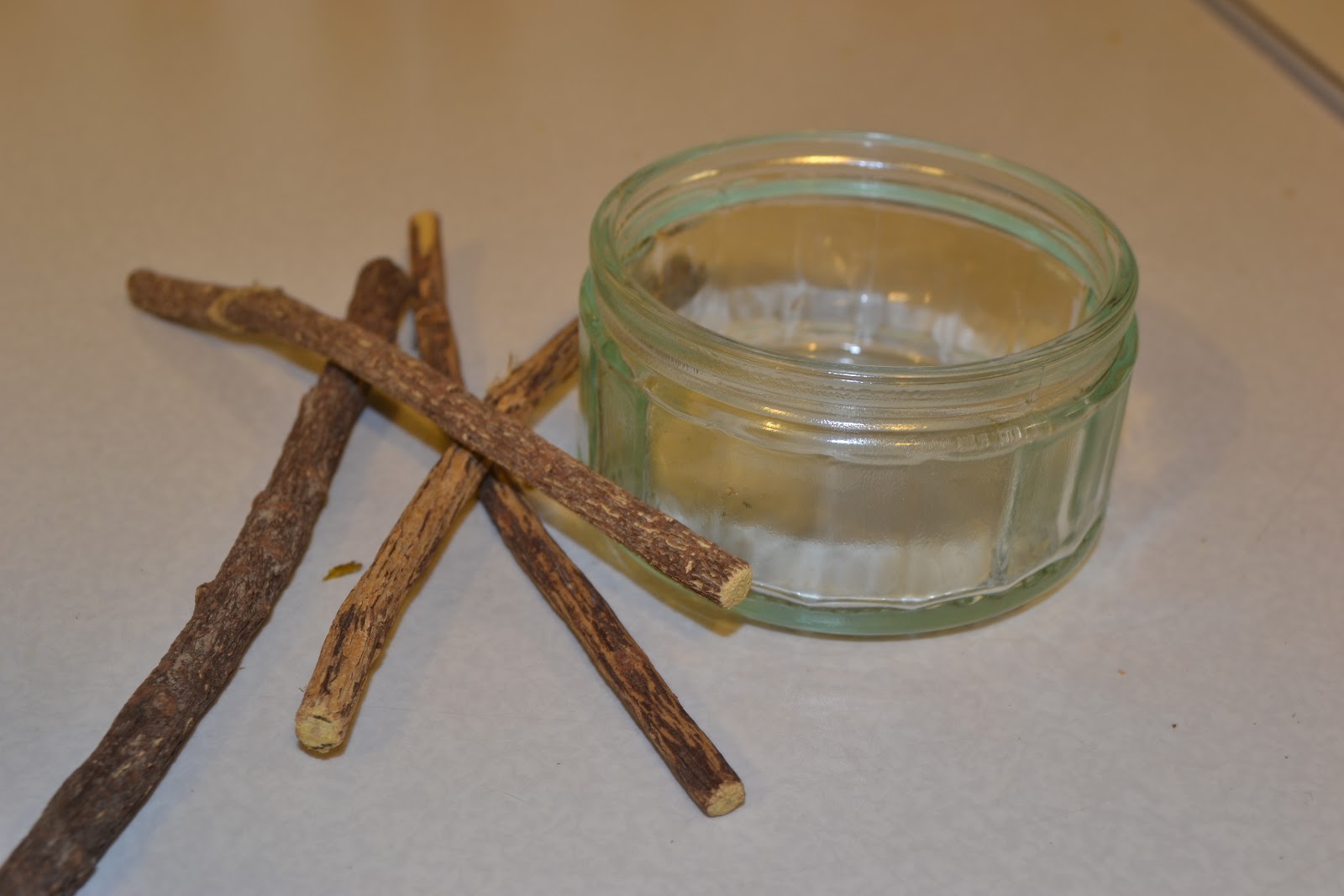
Licorice


Licorice information

Licorice - Glycyrrhiza glabra (in the Fabaceae or Legume family)

Part used: Root.

Taste/smell: Sweet, nutritious.

Tendencies: Moistening.

Dosage: Decoction: 1 teaspoon per cup of water; or 1:3 dry strength liquid extract: 20-60 drops 1-4 times per day.

Use: (a) Demulcent, (b) Adrenalmodulator, (c) Antibacterial, (d) Antiviral, (e) Antimutagen, (f) Anti-allergenic, (g) Expectorant with secretolytic and secretomotor activity, (h) Anti-inflammatory, (i) Nutritive, (j) Spasmolytic, (k) Antioxidant, (l) Estrogenic, (m) Immunomodulator, (n) Mild laxative, (o) Hepatoprotective.

Licorice is most known for its soothing effect on inflamed mucous membranes of the throat, lungs, stomach and intestines. The root is used for coughs, all throat and bronchial irritations, urinary tract irritation, adrenal fatigue, immune deficient states, allergies, gastric and duodenal ulcers, liver disorders, exhaustion due to adrenal stress, and dermatological detoxification. It is effective for chronic hepatitis, useful in HIV and is specific for conditions like mononucleosis, where the patient has abnormally high liver enzymes, a sore throat and needs immune system support. It is also a wonderful herb for Chronic Fatigue Syndrome. Due to its sweet taste, licorice makes a nice addition to formulas that are unpalatable.

Experiments with both methanol extract of licorice and the constituent glycyrrhizin appear to activate glucuronidation and suggest the possibility that it may influence detoxification of xenobiotics in the liver. Subdural injection of licorice root has inhibited RC mammary carcinoma and lymphosarcoma 150 in mice. A number of constituents in licorice have shown anti-tumor activity in animal research.

The saponin known as glycyrrhizin, also known as glycyrrhizic acid or glycyrrhizinic acid, is the main ingredient in licorice root. It and its aglycone, glycyrrhetinic acid, exert most of the medicinal effects and are essential active components. Glycyrrhetinic acid is formed from glycyrrhizin via hydrolysis that is assisted by intestinal flora enzymes. It decreases inflammation by enhancing movement of leucocytes towards inflamed areas. Glycyrrhizin also increases interferon production and inhibits the activity of phospholipase A and the formation of prostaglandin E2 in activated peritoneal macrophages. Additionally it inhibits the effect of several tumor promoters. It contains 3-dehydro-18 beta-glycyrrhetinic acid, 2-15% triterpenoid saponins, largely glycyrrhizin that is ammonium and calcium salts of glycyrrhizinic acid and 24-hydroxyglycyrrhizin. Glycyrrhizinic acid hydrolyzes to diglucuronic acid and the aglycone glycyrrhetinic acid. There are other triterpenoid saponins, including sitosterol and stigmasterol, flavonoids and isoflavonoids, coumestans, coumarins, resins, gums, tannin, starch and a bitter principle. The isoflavone in licorice called formononetin, has very weak estrogenic activity compared with natural estrone or synthetic DES. Phytoestrogens can behave like anti-estrogens by competing with estradiol for cytoplasmic receptors in estrogen-sensitive tissues, possibly acting as protection against stronger estrogenic action from estradiol and protecting against cancers that are estrogen receptor positive.

Since licorice inhibits 5-beta-reductase that regulates cortisol and aldosterone metabolism, it may retard the metabolic excretion of corticosteroids and extend the biological half-life of cortisol and aldosterone.

Contraindications: Licorice is contraindicated in high blood pressure, heart failure, kidney disease, liver cirrhosis and cholestatic liver disorders. Chronic licorice use mimics aldosteronism by increasing sodium resorption and potassium excretion by the kidneys. This action is due to glycyrrhizin content. De-glycyrrhinized licorice has been investigated for its clinical use and saftey. Its use has been controversial. There is 2-9% glycyrrhizin in licorice root. The de-glycyrrhinized root extract has a maximum of 3% glycyrrhizin in it.

The toxic symptoms are hypertension, edema, hypokalemia, vertigo and headache. This ceases when it is withdrawn or by concurrent use of antialdosterone agents. Doses of 3 or more grams a day should not be taken for more than 6 weeks unless monitored under the guidance of a qualified health care practitioner. Elderly people are more prone to pseudoaldosteronism due to a greater increase of glycyrrhetinic acid levels from increased production by their gut bacterial flora enzymes on glycyrrhizin. Licorice potentiates the activity of anthraquinone drugs or herbs containing anthraquinones, like cascara and buckthorn, by increasing the wettability of the bowel contents because of the high surfactant activity of glycyrrhizin. It also potentiates the toxicity of cardiac glycosides like digitalis due to potassium loss in the urine. There may also be an additive effect with thiazide diuretics. When used with corticoid treatment, glycyrrhizin interferes with 5 beta-reductase breakdown of corticosteroids, thus prolonging its biological half-life. When someone discontinues the use of licorice after consuming it over a long period of time, they should withdraw from it slowly, unless they are discontinuing it due to side effects. In the case of dangerous side effects, they should immediately withdraw from its use.

Ginger


Ginger information

Ginger - Zingiber officinalis (in the Zingiberaceae or Ginger family)

Parts used: Root.

Taste/smell: Aromatic and spicy. Note: The dried root is considered hotter than the fresh root.

Tendencies: Heating, stimulating and drying.

Dosage: Fresh infusion: Ginger, approximately 2-3 centimeters in length, per cup of water. Infusion: teaspoonful of dry ginger per cup of water.; or 1:1 fresh + dry liquid extract: 10-60 drops in a little water. Note: For the anti-emetic effect, 2 grams has been shown to be effective, for example, 3 - 4 capsules or 1/2 - 1 teaspoon liquid extract.

Mental picture and specific indications: Ginger is indicated for cold and congestive conditions with digestive, genitourinary or respiratory debility.

Use: (a) Carminative, (b) Decreases platelet aggregation, (c) Antiatherosclerotic, (d) Diaphoretic, (e) Cardiotonic, (f) Antipyretic, (g) Antitussive, (h) Expectorant, (i) Stomachic, (j) Anti-inflammatory, (k) Antimicrobial, (l) Antispasmodic, (m) Diuretic, (n) Anti-emetic, (o) Choleretic, (p) Hypolipidemic, (q) Analgesic, (r) Antioxidant.

Ginger is useful for digestive disturbances that involve flatulence, burping and colic. It is useful for a slow digestive system as well as circulatory sluggishness and can inhibit digestive ulcers. The diaphoretic quality is suitable for feverish conditions and is gentle enough for both elderly and children to use. It has been used to abort migraine headaches and is well known for its use in motion sickness, post operative nausea and nausea of pregnancy. Research with chemotherapy-induced vomiting showed ginger tea to be ineffective while the tincture (liquid extract) was very effective. The fresh juice is used to treat first and second degree burns. As a heating herb, it is indicated for disorders due to cold conditions. Ginger has a positive inotropic effect on the heart. It possesses a fibrinolytic quality. Fibrin is deposited in tissue near varicose veins and causes skin to become hard and lumpy because of the presence of fibrin and fat. It also decreases the risk of thrombus formation in thrombophlebitis and inhibits production of prostaglandins which cause physical pain.

Ginger is rich in volatile oils, including zingiberene, zingiberole, gingerol, shogoal, phellandrene, borneol, cineole, as well as citral, starch, mucilage and resin. Different varieties of ginger contain different essential oils.

Contraindications: Large doses are contraindicated in pregnancy. Animal studies have shown a potential for CNS depression and cardiac arrhythmias when the animals are given large overdoses. This has not been seen in human studies.

Copyright 1999 by Sharol Tilgner, N.D. (ISBN 1-881517-02-0) - all rights reserved.

Garlic


Garlic information

Garlic - Allium sativa (in the Liliaceae or Lily family)

Parts used: Cloves.

Taste/smell: Pungent, warm.

Tendencies: Heating, stimulating, and drying.

Dosage: 1:1 fresh strength liquid extract: 30-60 drops 1-4 times per day. Note: It is best to use fresh cloves, especially for a bacterial or parasitic infection. Capsules and tinctures can also be used in other conditions.

Mental picture and specific indications: Garlic stimulates digestion and cardiovascular circulation. It is indicated for dyspepsia, hypertension, arthritic pain and individuals with catarrhal affections. The tongue is pale with red papillae.

Use: (a) Antibacterial, (b) Antifungal, (c) Antiparasitic, (d) Diuretic, (e) Carminative, (f) Natriuretic, an agent that increases excretion of sodium in urine, (g) Anticoagulant, (h) Antithrombotic, (i) Hypotensive, (j) Antispasmodic, (k) Hypoglycemic, (l) Diaphoretic, (m) Cholagogue, (n) Inhibits tumor growth, (o) Supports immune function, (p) Protects the liver, (q) Lowers cholesterol and triglycerides, (r) Increases HDL.

Garlic is used to decrease plaque in atherosclerosis and is beneficial for infectious conditions, high blood pressure, dysentery, peripheral vascular diseases, diabetes and liver disease.

Contraindications: Garlic may cause gastrointestinal disturbance in sensitive individuals and should be avoided by persons with hot constitutions. It is contraindicated with acute inflammation, insomnia, dehydration, hypoglycemia, brittle diabetes, pemphigus, impending surgery, organ transplants and concomitant use with anticoagulants. Large amounts can decrease the uptake of iodine by the thyroid.

Copyright 1999 by Sharol Tilgner, N.D. (ISBN 1-881517-02-0) - all rights reserved.